SpaceX Soars 19% In Stock Market Debut as Musk Becomes World’s First Trillionaire
 By
Sami N.
By
Sami N.
Points
- SpaceX listed on the Nasdaq under the ticker SPCX, raising $75 billion in the largest IPO ever recorded and closing its first day of trading at around $161 per share.
- The debut pushed Elon Musk’s net worth to $1.11 trillion, making him the world’s first trillionaire based on his combined stakes in SpaceX and Tesla.
- SpaceX is valued at $2.1 trillion despite being loss-making, with its only profitable division being the Starlink satellite internet business.
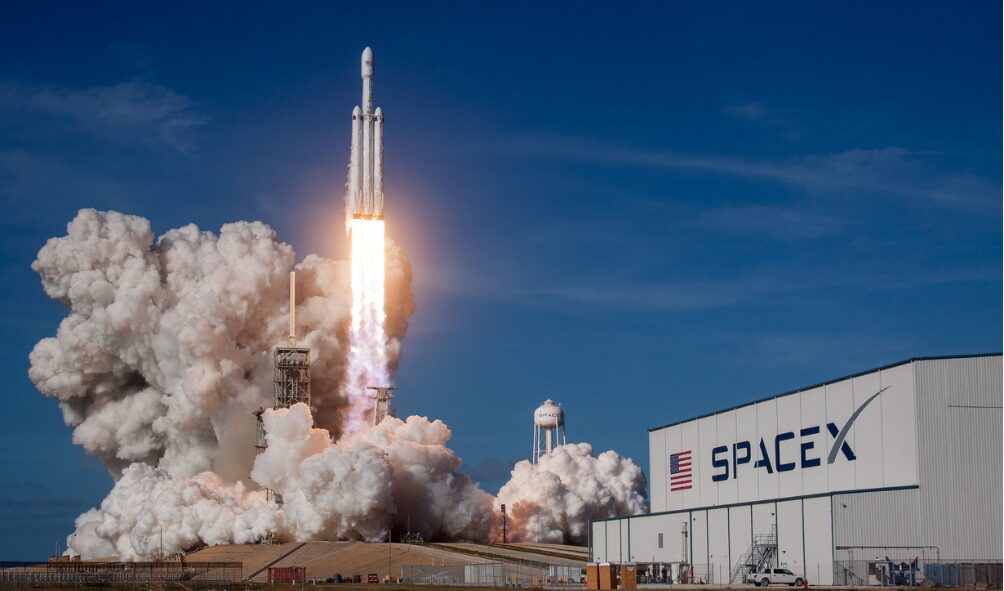
Elon Musk has become the world’s first trillionaire after SpaceX made its long-awaited stock market debut on Friday, delivering one of the most spectacular IPO launches in history and cementing his status as the wealthiest person on the planet by a considerable distance.
The listing, which shattered records for the largest initial public offering ever, sent shockwaves through financial markets.
But it has also reignited global conversations about the concentration of wealth, the future of space technology, and what it means for a single individual to command more personal fortune than the entire economic output of some of the world’s most developed nations.
The Biggest IPO Ever
SpaceX listed on the Nasdaq under the ticker SPCX after raising $75 billion from investors, making it the largest initial public offering ever recorded.
Shares were offered at $135 each but opened at $150, surged as high as $176.52 during the session, and closed the day at around $161, giving the company a market valuation of $2.1 trillion. More than 500 million shares changed hands on the first day, approaching the trading volumes seen during Facebook’s landmark debut back in 2012.
The enthusiasm did not stop there. SpaceX shares continued to rally in extended trading, adding roughly another $100 billion to its market cap after the closing bell.
Musk Crosses $1 Trillion Networth
The IPO pushed Musk’s total net worth to $1.11 trillion according to Bloomberg, making him not just the richest person alive but the first individual in history to cross the trillion-dollar mark.
His 42% stake in SpaceX alone was worth $767 billion at close of trade on Friday, with an additional $53.8 billion in SpaceX options.
Add in his $168 billion in Tesla shares and a further $116 billion in Tesla options, and the scale of his wealth becomes difficult to comprehend. For context, his net worth is now comparable to the entire economic output of Poland or Switzerland.
What Does SpaceX Actually Do?
SpaceX started life as a reusable rocket manufacturer, and that ambition for space has driven investor excitement ever since. Today the company spans rockets, telecommunications and artificial intelligence, but its only profitable division is Starlink, the satellite internet business that has grown rapidly across underserved markets worldwide.
The broader business is still loss-making. SpaceX lost more than $9 billion across 2025 and into 2026, driven largely by heavy investment in AI infrastructure and other long-term projects.
The company’s $2.1 trillion valuation is built predominantly on optimism about future earnings potential rather than current financial performance, a reminder that sentiment and story can carry enormous weight in markets.
The SpaceX IPO is being watched closely as a signal of where investor appetite currently sits.
The reception on Friday showed that demand for exposure to space, AI and infrastructure at scale remains strong, even when profitability is still a work in progress.
Share this article!


Recent News
Meta’s Muse Sends Shares Up 11% as Investors Finally See the AI Payoff
Flowdesk Secures Full VARA Broker-Dealer Licence In Dubai
Commercial Bank of Dubai Launches CBD Invest, Bringing Wealth Management into its Banking App
Featured
No reviews found.
No reviews found.



No reviews found.
No reviews found.