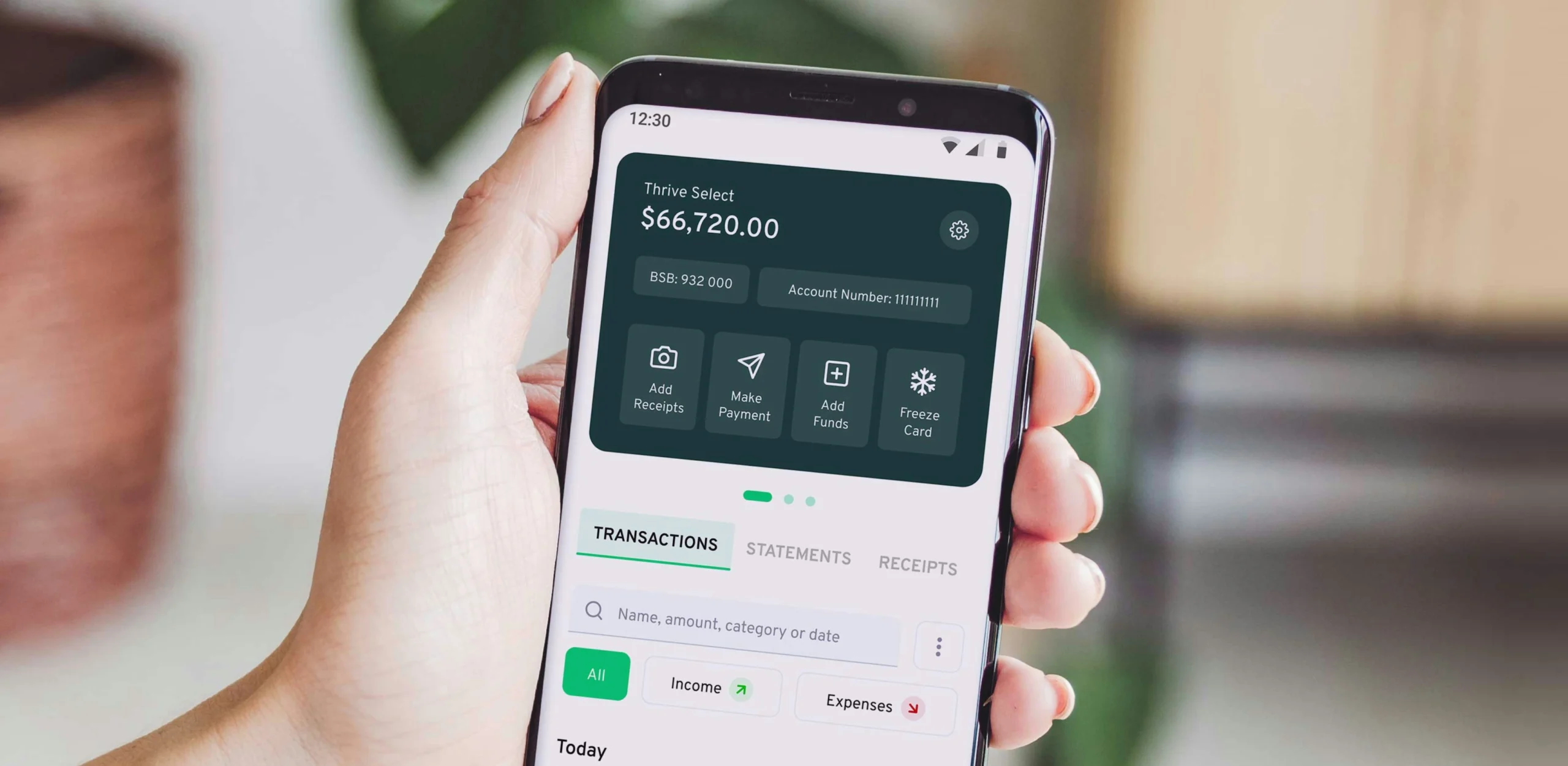
Buy Now Pay Later in the UAE: How It Works, What It Really Costs, and When to Avoid It
 By
Sam Reid
By
Sam Reid

The Short Answer
The buy now pay later model in the UAE lets you split a purchase into interest-free instalments, usually four payments over a few months, at thousands of online and in-store retailers. Used well, it’s a genuinely free way to spread a cost. Used carelessly, it’s how people quietly stack up debt across three or four apps and lose track.
Here’s what to know before you tap “pay in 4”:
- It’s regulated now. Since late 2023, BNPL in the UAE is overseen by the Central Bank. Providers must be licensed, fees are capped, and your total BNPL credit is limited to AED 20,000 or three months of your net income, whichever is lower.
- “Interest-free” is real, but late fees aren’t nothing. Miss a payment and you can be charged, though total fees are legally capped at 30% of what you borrowed.
- It can touch your credit file. Once your BNPL limit passes AED 5,000, providers are required to check your credit report, which means this activity can be visible to lenders.
The rest of this guide explains how it works, what it costs, who the main players are, and the situations where you should walk away.
How Buy Now Pay Later Actually Works in the UAE
The mechanics are simple by design. At checkout, online or in a physical store, you choose a BNPL provider instead of paying the full amount. The provider pays the retailer in full immediately, and you repay the provider in instalments.
The most common structure is “pay in 4”: one payment today, then three more, typically two weeks apart, spread across roughly six weeks to three months depending on the provider. Some also offer a single deferred payment (“pay in 30 days”) or longer instalment plans on bigger purchases.
For a standard, on-time BNPL plan, you pay no interest and no fee. The provider makes its money from the retailer, who pays a commission in exchange for higher conversion and larger basket sizes. That’s the core bargain: the merchant subsidises your instalments because shoppers offered BNPL tend to buy more.
Two models: fintech apps and bank BNPL
There are two distinct flavours in the UAE, and they behave differently.
- Fintech BNPL apps are standalone providers you sign up with directly. You get a spending limit, and you can use it across their network of partner retailers. Approval is usually instant and based on a light check.
- Bank BNPL lets existing customers convert card transactions into instalment plans through their banking app, often over three to six months. This is tied to your existing relationship and card, not a separate app.
Is Buy Now Pay Later Regulated in the UAE?
Yes, and this is the important thing that separates the UAE market from the “wild west” reputation BNPL earned elsewhere. On 29 September 2023, the Central Bank of the UAE issued a new Finance Companies Regulation that formally brought BNPL under its authority as a form of regulated short-term credit, effective from late December 2023.
In plain terms, that regulation did three things that protect you:
Only licensed providers can operate
Anyone offering BNPL in mainland UAE must either hold a Restricted Licence Finance Company licence from the Central Bank, or operate as the approved agent of a licensed bank or finance company. Unlicensed providers had to license up, partner up, or leave. (Source: CBUAE Rulebook, Restricted Licence Finance Companies and Agents.)
Your borrowing is capped
The maximum total short-term credit a provider can extend to you is AED 20,000, or your verified net income for three months, whichever is lower. This is a deliberate brake on runaway debt.
Fees are capped, and bigger limits trigger a credit check
Total fees, including any charges and penalties, cannot exceed 30% of the original credit amount. And if your credit limit with a provider goes above AED 5,000, they are required to review your credit report before extending it. (Source: White & Case, summarising the CBUAE Finance Companies Regulation.)
Worth knowing for context: the UAE consolidated its financial-sector rules under a new Central Bank Law (Federal Decree-Law No. 6 of 2025), effective 16 September 2025, which tightens oversight and enforcement across licensed financial activities. (Source: Gibson Dunn.) The direction of travel is more regulation and more consumer protection, not less.
What Does Buy Now Pay Later Really Cost You?
If you pay on time, nothing. That’s what makes it attractive. But “if you pay on time” is doing a lot of work in that sentence, so here’s the full breakdown.
When it’s genuinely free
Pay every instalment on schedule and a standard pay-in-4 plan costs you exactly the sticker price, spread out. No interest, no fee. For a planned purchase you could afford anyway, it means you keep more cash on hand without paying for the privilege.
When it starts to cost
The costs appear when things go wrong:
- Late fees. Miss a payment and most providers charge a penalty. Some Sharia-compliant providers advertise no late fees at all, but don’t assume, check the specific provider’s terms. Whatever the fee, total charges are legally capped at 30% of the original amount.
- Longer bank instalment plans. Bank BNPL over three to six months may carry a processing fee even when it’s marketed as low-cost. Read the plan terms.
- Overspending. The real expense of BNPL usually isn’t a fee. It’s that splitting a price into small instalments makes expensive things feel affordable, so you buy more than you would have with cash. It tends to be the cost that hurts most people.
The stacking problem
Because each provider gives you a separate limit, it’s easy to run three or four plans across different apps at once. Each feels small. Together they can add up to a monthly repayment load you never consciously agreed to. The AED 20,000 cap limits this per provider, but managing several providers is still on you.
Best Buy Now Pay Later Providers in the UAE: How They Compare
There’s no single best provider, only the best fit for where you shop and how you want to pay. Below is how the main options differ. Availability and terms change, so confirm current details in the app before you commit.
| Provider type | Typical structure | Best for | Watch for |
|---|---|---|---|
| Large fintech apps (widest retailer networks) | Pay in 4, interest-free; some offer pay-in-30-days and money features | Everyday online and in-store shopping across many retailers | Late fees on missed payments; ease of overspending |
| Sharia-compliant fintech apps | Split into up to 4 payments; several advertise no interest and no late fees | Shoppers who want interest-free and fee-free by principle | Confirm the no-fee claim and the retailer list |
| Bank BNPL (in-app instalments) | Convert a card purchase into a 3 to 6 month plan | Existing bank customers with larger, planned purchases | Possible processing fee; eligibility set by the bank |
| Merchant-embedded BNPL | Provider offered directly at a specific store’s checkout | A one-off purchase at a retailer you already trust | You may be signing up with a new provider mid-checkout |
How to choose the right one
Work backwards from your situation:
- Where do you actually shop? Pick a provider whose retailer network covers the stores you use. A great app that your shop doesn’t accept is useless.
- Do you want a fee-free guarantee? If you’re worried about late fees, a Sharia-compliant provider that advertises none removes that risk, provided you verify it.
- Is it a big, planned purchase? Your own bank’s instalment plan may be cleaner than opening a new BNPL account, and it keeps everything in one place.
- Do you already use one? Sticking to a single provider makes it far easier to track what you owe than spreading across several.
When You Should Avoid Buy Now Pay Later Entirely
BNPL is a tool, but there are clear situations where it’s the wrong choice.
You can’t comfortably afford the item at full price
The clearest rule: if you couldn’t buy it outright today without straining a lot more than what you would usually tolerate , splitting it into four payments doesn’t make it affordable, it just delays the strain. BNPL is best for smoothing cash flow on things you can already afford, not for reaching things you can’t.
You’re already running other BNPL plans
If you have active instalments elsewhere, adding another is how the stacking problem starts. Add up every plan’s monthly total before opening a new one. If you can’t quickly say what you already owe across apps, that’s your answer.
It’s for a want, not a need, and money is tight
Using short-term credit for everyday or discretionary spending is exactly the pattern regulators worldwide worry about. If BNPL is funding wants during a tight month, the instalments will still be there next month, when things may be tighter.
You’re near a limit that triggers a credit check
Once your limit crosses AED 5,000 with a provider, your credit report comes into play. If you’re managing your credit profile carefully, for example, ahead of a loan or mortgage application, be aware that BNPL activity can be visible to lenders.
Frequently Asked Questions
Is buy now pay later interest-free in the UAE?
For standard pay-in-4 plans, yes, provided you pay on time. Providers earn from retailer commissions rather than charging you interest. Late payments can incur fees, though total fees are legally capped at 30% of the original amount, and some Sharia-compliant providers advertise no late fees at all. Longer bank instalment plans may carry a processing fee.
Is BNPL regulated in the UAE?
Yes. Since the Central Bank’s Finance Companies Regulation took effect in late 2023, BNPL is regulated short-term credit. Providers must be licensed by the CBUAE or operate as an approved agent of a licensed institution, your total BNPL credit is capped at AED 20,000 or three months of net income (whichever is lower), and total fees can’t exceed 30% of the borrowed amount.
Does buy now pay later affect my credit score in the UAE?
It can. Once your credit limit with a provider exceeds AED 5,000, they’re required to review your credit report. That means BNPL activity can become visible to lenders, which is worth keeping in mind if you’re planning a major loan or mortgage application.
What happens if I miss a BNPL payment?
You’ll typically be charged a late fee, and continued non-payment can affect your standing with the provider and, potentially, your credit record. The total of all fees and penalties is capped at 30% of the original credit amount. Always check your specific provider’s terms, since penalties vary.
How much can I borrow through BNPL in the UAE?
Your total short-term credit with a provider cannot exceed AED 20,000, or your verified net income for three months, whichever is lower. This cap is set by the Central Bank to prevent excessive debt.
Is BNPL better than a credit card?
It depends on how you use it. BNPL is interest-free on standard plans and easier to get approved for, which suits smaller, planned purchases. A credit card offers more flexibility, rewards, and a single statement, but charges interest if you don’t clear the balance. The risk with BNPL is spreading plans across several apps and losing track; the risk with cards is revolving interest. Neither is safe if you’re spending money you don’t have.
Sources
- White & Case — UAE Central Bank Introduces Regulatory Framework for Buy-Now, Pay-Later Providers (credit limits, fee caps, credit-report trigger, licensing)
- CBUAE Rulebook — Restricted Licence Finance Companies and Agents
- Gibson Dunn — UAE Central Bank Issues New Central Bank Law (Federal Decree-Law No. 6 of 2025)
This guide is general information as of mid-2026, not financial advice. BNPL providers, fees, retailer networks, and eligibility terms change over time, and specific plan terms vary by provider. Always read the provider’s current terms before you commit, and confirm regulatory details with the Central Bank of the UAE.
Share this article!


Recent News
How to Compare Trading Platforms When You Are Based in the Gulf: Costs, Regulation and Access to UK and US Markets

How to check your credit score in the UAE
How Many Free Zones in Dubai? and Why It Barely Matters

Featured





No reviews found.
No reviews found.
No reviews found.