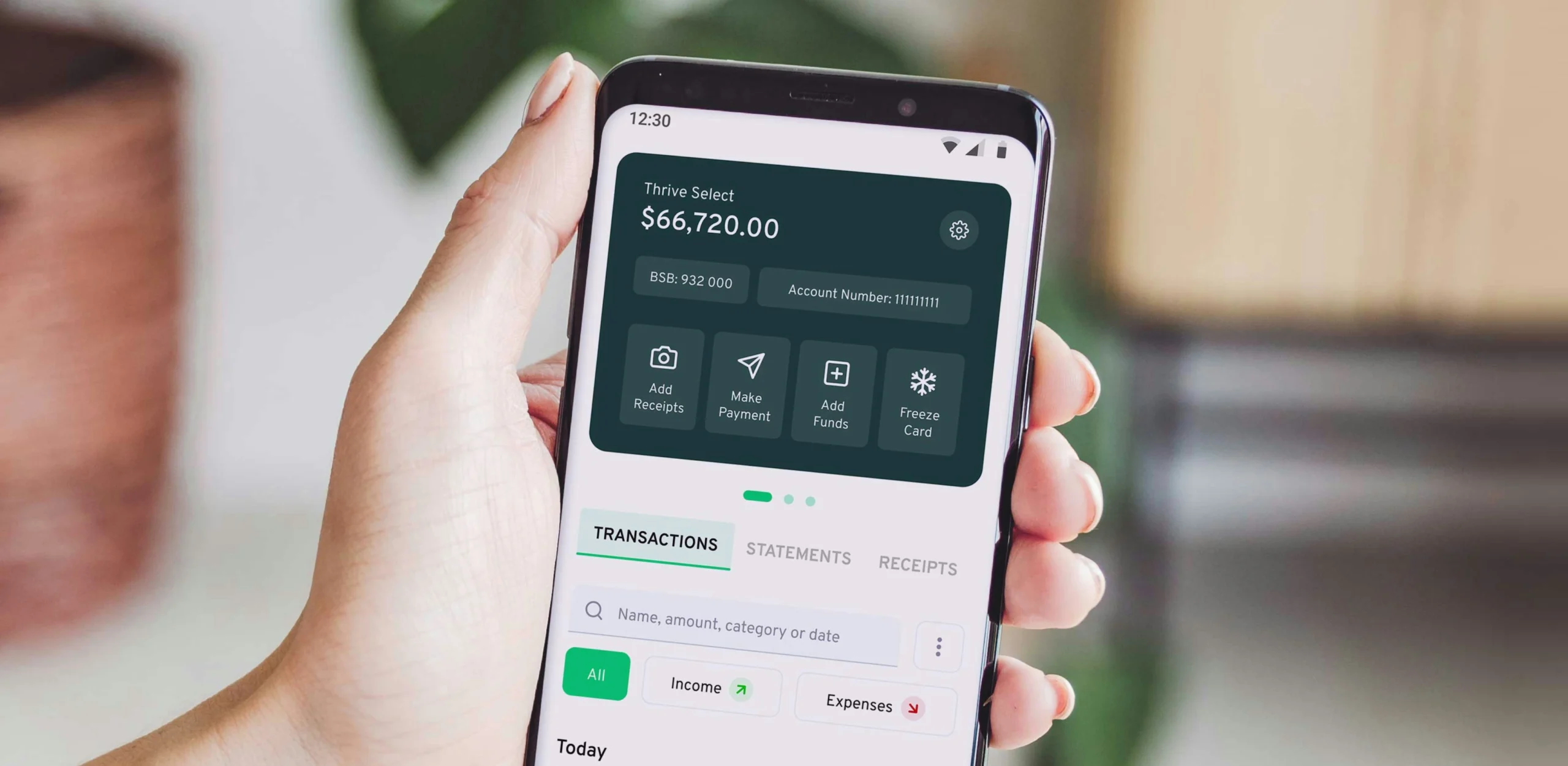
How to check your credit score in the UAE
 By
Sam Reid
By
Sam Reid
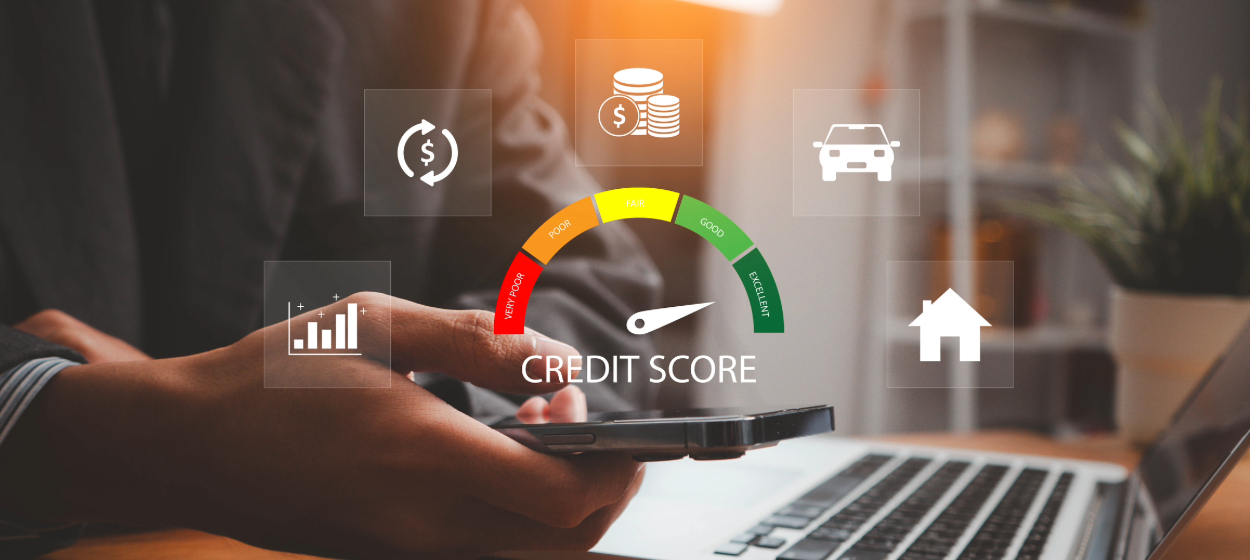
Short Answer
You check your credit score in the UAE through Al Etihad Credit Bureau (AECB), the country’s federal credit bureau, using its app or the etihadbureau.ae website with your Emirates ID and UAE PASS. The score on its own costs AED 10.50 and the full credit report costs AED 84, both including VAT, and either one arrives as a PDF within minutes. Your score sits on a scale from 300 to 900, and it’s the number nearly every UAE bank pulls before it approves a loan, credit card, or mortgage.
Prices and lender rules change, so treat the figures here as current-in-2026 planning numbers and confirm the live price on the AECB app before you pay.
The whole thing takes a few minutes and runs entirely online. You don’t need to visit an office or send documents to anyone.
- Download the AECB CreditReport app (App Store or Google Play), or go to etihadbureau.ae.
- Log in and verify your identity with UAE PASS and your Emirates ID.
- Choose the Credit Score (AED 10.50) or the full Credit Report (AED 84), each including VAT.
- Pay the fee and download your PDF straight away.
Try two shortcuts before you pay. Several UAE banks now show your AECB score for free inside their own mobile banking app, so open yours and look for a credit-score tile. And the DubaiNow and TAMM government apps can route you to your AECB report too. If your bank already surfaces the number, you may not need to buy the standalone score at all.
Score only, or the full report?
The AED 10.50 score is just the number, useful when you only want to know roughly where you stand. The AED 84 report is the document behind that number: every loan and card in your name, your payment history over the past few years, any overdue amounts, and any bounced-cheque records. Buy the report if you’re about to apply for something big or if you suspect an error, because you can’t dispute what you can’t see. For a quick monthly check-in, the score is enough.
What your AECB score means
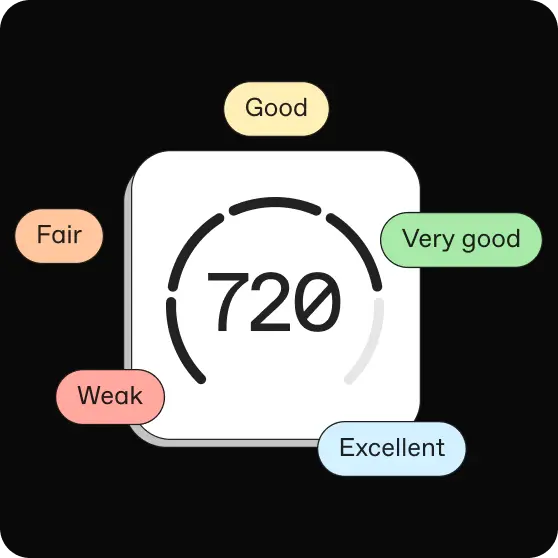
The score runs from 300 at the bottom to 900 at the top, and a higher number tells a lender you’re less likely to miss payments. There’s no single legal cut-off for “good” versus “bad.” Every bank sets its own internal threshold, so a score that gets you approved at one bank might fall just short at another. Lenders tend to read it in broad bands:
- Roughly 300 to 540: high risk. Loan and card applications are often declined at this level.
- Roughly 540 to 680: fair. Approvals are possible, but expect lower limits and worse pricing.
- Roughly 680 to 730: good. Most products get approved at reasonable rates.
- Roughly 730 to 900: strong to excellent. This is where the best rates and highest limits sit.
What moves your score up or down
Your payment history carries the most weight. Pay on time and the score climbs slowly; miss payments and it drops fast. After that, banks look at how much of your available credit you’re using, your total debt load, how many new applications you’ve made recently, and how long you’ve held your accounts.
A couple of things hit harder in the UAE than people expect. A bounced cheque or a loan write-off is a high-severity mark that can drag down an otherwise healthy profile on its own. And your telecom and utility bills feed the bureau too, so a missed du or Etisalat payment, or an overdue DEWA account, can show up on your credit file the same way a late loan payment would.
Does paying off a debt fix your score right away?
No, and this trips up a lot of people. The bureau updates when your lender reports the change, not the moment your payment clears. That reporting usually happens on a monthly cycle, so clearing a maxed-out card today might not lift your score for a few weeks. If you’re paying down debt to look better for an application, do it at least a month ahead so the improvement has time to land on your file.
How to improve a weak score in the UAE
The moves that work are boring and consistent, which is the point. Set up a standing instruction so nothing gets paid late by accident. Bring each credit card balance under about 30% of its limit. Clear any bounced cheque or overdue amount immediately, since those are the entries hurting you most. Avoid opening several new cards or loans in a short window, because a cluster of applications reads as risk. And keep your oldest account open, since length of history helps you.
Be realistic about timing. If your only issue is high card usage, you can see a lift within one to three clean reporting cycles. Recovering from a default, a write-off, or a returned cheque takes longer, often six to twelve months of steady on-time behavior, and the negative record itself can stay on your file for a few years even after you’ve settled it. Settling the debt and getting a written clearance from the bank is the starting line for that rebuild, not the finish.
Your credit score when you apply for a loan or credit card
There’s no nationwide minimum score for borrowing. Each bank picks its own cut-off, and a very low score or a recent default tends to get an application refused outright. When a credit card gets rejected in Dubai, the reason is usually one of a handful of things: a score below the bank’s line, a debt-burden ratio that’s already too high, too many recent applications, a salary under the product’s minimum, or a fresh bounced cheque on file.
That debt-burden point matters more than the score for some applicants. The Central Bank caps your monthly debt repayments at 50% of your income, and existing card and loan commitments count toward that limit. You can have a decent score and still be turned down because your salary is already spoken for. Your card limit works the same way: banks size it off your income and your score together, and your total exposure across every card is capped relative to what you earn.
Before you apply for a mortgage, pull your report first and fix anything wrong on it, because a mortgage is the one product where a small error can cost you the rate or the approval. The same caution applies to newer buy now, pay later services, which increasingly report to the bureau, so a missed installment there can land on your file and surprise you later. If your salary is transferred to the bank you’re borrowing from, that relationship can also affect the terms you’re offered.
Building credit as a new UAE resident
If you’ve just arrived, you have no file yet, and that’s normal. The bureau can’t score you until there’s activity to score, so the fix is to start small: a salary-linked or secured credit card, used lightly and paid in full every month. A usable history builds over the first several months of clean payments, and from there it’s the same game as everyone else’s.
Leaving the country is where new residents get caught out. Your AECB record doesn’t follow you abroad, but it doesn’t disappear either. Settle every card and loan before you go and get a liability-clearance letter from each bank confirming you owe nothing. Unpaid debt and a bounced cheque can trigger legal action in the UAE and can resurface if you ever come back. A clean exit means a clean restart if you return.
Do UAE employers check your credit score?
Most UAE employers don’t pull your credit report when they hire you. Bureau access is built for licensed credit providers assessing a credit application, not for general recruitment, and the report you buy is yours: a random company can’t just retrieve it to screen you. For the large majority of jobs, your score never comes up.
The exception is the financial sector. Some bank, finance-company, insurance, and money-handling roles run probity or background checks, and for those they may ask you to share a report or consent to a check as part of the process. That’s role-specific and done with your permission, not a market-wide hiring gate. Banking jobs lean this way because the employer is accountable to its own regulator for who handles client money.
One related worry is whether changing jobs hurts your score. Your job title and employer aren’t recorded on your credit file, so a career move by itself does nothing to the number. What can hurt it is a gap in income that leads you to miss payments. The bureau scores how you handle credit, not where you work.
How to dispute an error on your AECB report
Start by buying the report so you can point to the exact entry that’s wrong. Raise the dispute through the AECB app or website, attach your evidence and your Emirates ID, and submit it. The correction service is free. AECB doesn’t simply delete the entry, it refers your dispute back to the bank, telecom, or utility that reported it, asks them to verify, and updates the record once it’s resolved, which usually takes around 20 working days. Fixing a genuine mistake is one of the fastest ways to recover points, because the bad mark comes off entirely rather than slowly aging out. You have a window of 30 days after pulling a report to flag inaccuracies in it.
Frequently asked questions
How often does my credit score update?
It changes whenever a lender reports new activity. Banks, telecoms, and utilities each submit data on their own cycle, which for most people works out to roughly monthly. There’s no single nationwide refresh date, so a payment you make today might take a few weeks to show up on your file.
Is my credit score public in the UAE?
No. Your report is private and protected under UAE credit-information law. Only you, and the licensed entities you’re applying to with a lawful basis, can access it. A landlord, a neighbor, or a curious employer can’t look you up without going through the proper channel and, where the law requires it, getting your consent.
What’s the difference between AECB and other credit reports?
AECB is the UAE’s single federal credit bureau, so there isn’t a rival national bureau to shop between the way there is in some countries. Individual banks keep their own internal risk scores, but the shared record every lender relies on is the AECB one. Third-party apps that promise “your score” are usually just showing you the AECB figure rather than a separate score of their own.
Can a lender see my employment history on my credit report?
Your report centers on credit facilities and payment behavior: loans, cards, telecom and utility accounts, overdue amounts, bounced cheques, plus your identity details. It isn’t an employment record. A lender may still ask you for a salary certificate or bank statements, but that information comes from you, not from the bureau.
Sources
- Al Etihad Credit Bureau (AECB) and the consumer portal at etihadbureau.ae for report and score pricing, access channels, and the dispute process.
- UAE Federal Law No. 6 of 2010 on Credit Information (as amended by Federal Decree-Law No. 8 of 2020), the legal basis for AECB and for your data-protection and dispute rights.
- Central Bank of the UAE for the 50% debt-burden ratio cap on retail lending.
Share this article!


Recent News
How to Compare Trading Platforms When You Are Based in the Gulf: Costs, Regulation and Access to UK and US Markets

How Many Free Zones in Dubai? and Why It Barely Matters

Business Setup in Dubai Mainland: What It Costs and How the Process Works

Featured
No reviews found.
No reviews found.



No reviews found.
No reviews found.