How Many Free Zones in Dubai? and Why It Barely Matters
 By
Sam Reid
By
Sam Reid
The Short Answer
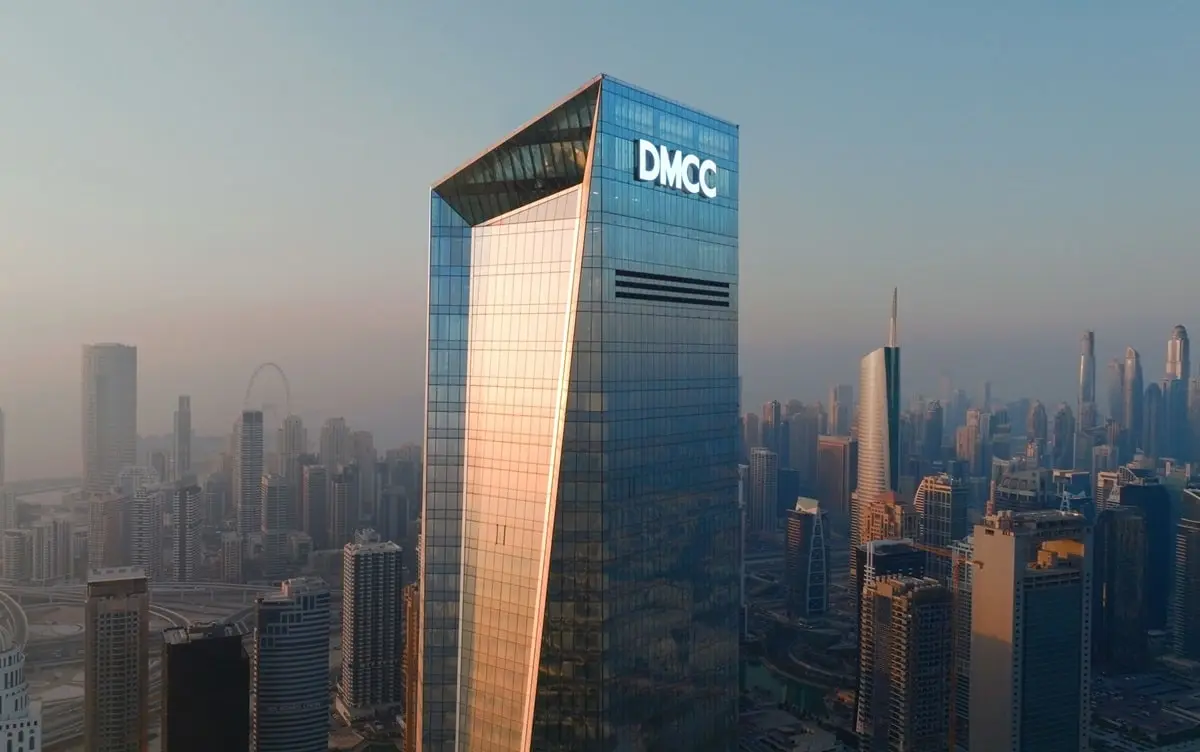
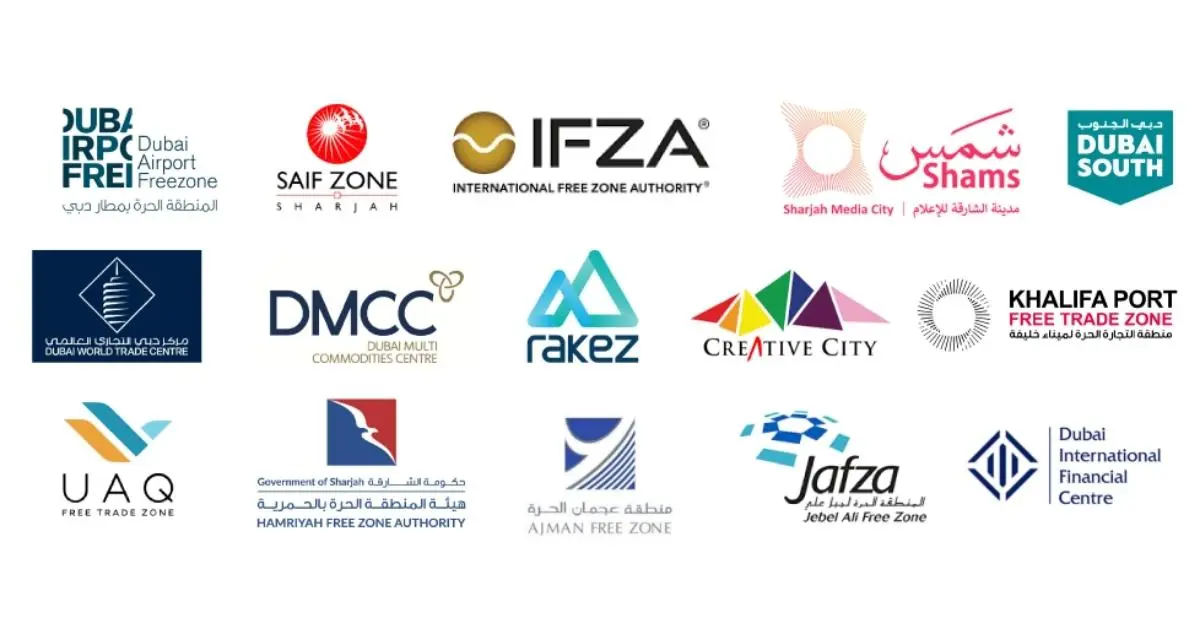
How many free zones are in Dubai depends on who is counting. The official Dubai business portal lists more than 20, while most business-setup sources put the working figure at over 30 once you include the smaller and sector-specific zones. Across the whole UAE, the total climbs past 45.
The reason no single number is authoritative: zones open, merge, and get rebranded, and some are subdivisions of larger authorities rather than standalone entities. Chasing the exact figure is the wrong instinct anyway. If you are asking this question because you are trying to set up a company, the number of zones tells you almost nothing useful. What matters is which one fits your business, and the zones differ far more than a headcount suggests.
We’ll cover the count, explain why it moves around, and then what people are really trying to work out when they ask: how the zones differ, whether the DIFC-style distinctions matter for you, and whether a free zone company can own property.
The Count
Published figures disagree, and the table below shows why.
| Source type | Figure given | What it counts |
|---|---|---|
| Official Dubai business portal | More than 20 | Recognised standalone free zone authorities |
| Most business-setup sources | Over 30 | Standalone zones plus smaller and sector-specific ones |
| UAE-wide totals | 45 or more | Every free zone across all seven emirates |
The gap comes from three things. Some large authorities contain multiple sub-zones or clusters, which one source counts as one and another counts as several. Some zones are narrow and specialised, such as automotive or textile zones, and get left off shorter lists. And the picture changes as new zones launch and older ones consolidate, so any figure is a snapshot rather than a fixed fact.
Dubai has somewhere in the region of 20 to 30-plus free zones depending on how you slice it, and the UAE as a whole has more than 45. That range is precise enough for any real decision.
What a Free Zone Is
A free zone is a defined economic area that runs under its own authority, separate from the mainland licensing body, which in Dubai is the Department of Economy and Tourism. Each zone sets its own licensing fees, its own list of permitted activities, its own visa quotas, and its own rules on office space.
The first one, Jebel Ali Free Zone, launched in 1985 to serve the Jebel Ali Port. The model worked, and Dubai kept building zones around specific industries: commodities, finance, media, technology, logistics, and more.
Three features are common to essentially all of them. You get 100% foreign ownership with no local partner, which free zones offered long before the mainland reforms of 2021. You get customs advantages on goods moving in and out. And you may qualify for a 0% corporate tax rate on qualifying income, though that depends on meeting specific conditions rather than simply being in a zone.
The limitation
A free zone company generally cannot sell directly to customers in the UAE mainland. To reach that market, it has to work through a mainland distributor, open a branch, or obtain a dual licence. If your customers are inside the UAE, this restriction may push you toward a mainland licence instead.
Why the Zones Differ More Than the Number Suggests
Counting the zones misses the point because they are not interchangeable. Each is built around particular industries, and choosing one meant for a different sector creates friction you do not need.
A rough map of who each major zone is built for:
| Business type | Zones commonly suited to it |
|---|---|
| Commodities and trading | DMCC, JAFZA |
| Regulated financial services | DIFC |
| Technology and startups | Dubai Internet City, Dubai Silicon Oasis |
| Media and creative | Dubai Media City, Dubai Studio City |
| Air cargo and logistics | DAFZA, JAFZA |
| Cost-sensitive startups and consultancy | IFZA, Meydan |
| E-commerce | Dubai CommerCity |
Setup cost varies just as widely. A basic licence at a budget zone can start around AED 5,750, while a full office setup at a premium zone such as DIFC or DMCC can run to AED 70,000 or more. Two founders in different zones can pay ten times the difference for what looks, on paper, like the same thing.
This is why the count is a distraction. The decision is not “which of 30 zones,” it is “which two or three zones fit my activity, my budget, and my visa needs,” and that shortlist is usually short.
Is DIFC a Free Zone?
Yes, and it is the clearest example of how much zones can differ from one another.
The Dubai International Financial Centre is a free zone, but it operates under its own legal system based on English common law, with its own courts and its own regulator, the Dubai Financial Services Authority. Most Dubai free zones operate under UAE civil and commercial law. DIFC does not. It has independent civil and commercial legislation, written in English, and its courts are staffed by judges from common-law jurisdictions such as England, Singapore, and Hong Kong.
Criminal and immigration law still follow UAE federal rules inside DIFC. The independence covers commercial matters: contracts, company law, employment, trusts, and securities.
For a financial or professional-services firm, that common-law framework is the whole appeal, because it gives international investors a legal environment they already understand. For a small trading company or a consultancy, that machinery is more than the business needs, and a simpler, cheaper zone usually makes more sense. Abu Dhabi Global Market, ADGM, plays the same role in Abu Dhabi.
What this tells you about the count
DIFC and a low-cost startup zone are both “free zones,” yet they differ in legal system, cost, regulator, and target company. Adding them together into a single number tells you nothing about either. The label covers a very wide range.
Choosing a Zone: The Questions That Narrow It Down
Rather than starting from the full list, start from your own business and let the answers cut it down.
Where are your customers? If they are mainly in the UAE, weigh a mainland licence against a free zone with a route to mainland trade. If they are international, a free zone fits cleanly.
What is your activity? This drives almost everything, because each zone maintains its own activity list and some will not license what you do. Match the zone to the work.
How many visas do you need? Allocation is tied to office space and differs by zone. If you plan to hire, factor the quota in from the start.
What is your budget, across the whole first year? Compare total cost including office, visas, and renewal, not the headline licence price. The cheapest licence can become the more expensive setup once the office requirement is added.
Do you need banking credibility or a specific legal framework? A regulated firm may need DIFC or ADGM. Most businesses do not, and pay less by choosing a standard zone.
Can a Free Zone Company Own Property in Dubai?
Yes, though with conditions, and the position has improved in recent years.
A free zone company can generally own property inside its own zone. A DIFC-registered entity can own commercial property within DIFC, for example, and companies in zones like DMCC and Dubai South can own property within their respective developments.
Ownership outside the home zone, in Dubai’s wider freehold areas, is where it gets more involved. Several free zone authorities, including JAFZA and Masdar City, have arrangements with the Dubai Land Department that allow their licensed companies to own freehold property in designated areas. Where such an arrangement does not exist, a free zone company may face extra approvals, or historically had to route the purchase through a separate structure.
The rules vary by zone and are worth confirming directly with both the free zone authority and the Dubai Land Department before you buy, because a real estate purchase is not the place for assumptions. If property ownership is central to your plan, make it one of your criteria when choosing a zone in the first place.
Frequently Asked Questions
How many free zones are there in Dubai?
The official Dubai business portal lists more than 20, while most business-setup sources cite over 30 once smaller and sector-specific zones are included. The figure varies because zones open, merge, and get counted differently, and because some large authorities contain multiple sub-zones. Across the whole UAE, the total exceeds 45.
What is the largest free zone in Dubai?
DMCC is the largest by number of member companies, with a membership in the tens of thousands, and it has been repeatedly recognised as a leading global free zone. Jebel Ali Free Zone is the oldest and one of the largest by physical footprint and trade volume.
Is DIFC a free zone?
Yes. DIFC is a financial free zone, distinguished by its independent legal system based on English common law, its own courts, and its own regulator. Most other Dubai free zones operate under standard UAE civil and commercial law, which makes DIFC unusual among them.
What is a free zone company?
It is a company licensed by a free zone authority rather than by the mainland Department of Economy and Tourism. It gets 100% foreign ownership and customs and tax advantages, but generally cannot sell directly to the UAE mainland market without a distributor, branch, or dual licence.
Can a free zone company own property in Dubai?
Generally yes within its own zone, and in some cases in Dubai’s wider freehold areas where the free zone authority has an arrangement with the Dubai Land Department. Rules vary by zone, so confirm with the authority and the Land Department before purchasing.
Does the number of free zones matter when choosing one?
Not really. What matters is which zone suits your activity, budget, customer base, and visa needs. That usually narrows to a shortlist of two or three regardless of whether Dubai has 20 zones or 40.
A note on the figures in this guide
Free zone counts and setup costs are approximate and change over time as zones launch, merge, and revise their fees. Corporate tax treatment depends on meeting Qualifying Free Zone Person conditions rather than on location alone. Confirm current zone numbers, costs, and rules with the relevant free zone authority, and check tax obligations with the Federal Tax Authority, before making decisions.
Sources
- The Official Platform of the UAE Government – Doing business in free zones (free zone framework, authorities, ownership)
- DIFC – Laws and regulations (independent legal framework, common-law basis, DFSA and DIFC Courts)
- UAE Ministry of Economy and Tourism – Establishing business in free zones (zone authority rules)
This guide is general information as of mid-2026 and is not legal, tax, or financial advice. Free zone numbers, fees, and rules vary and change over time. Confirm current details with the relevant free zone authority, the Dubai Land Department for property matters, and the Federal Tax Authority for tax, before proceeding.
Share this article!


Recent News
How to Compare Trading Platforms When You Are Based in the Gulf: Costs, Regulation and Access to UK and US Markets

How to check your credit score in the UAE

Business Setup in Dubai Mainland: What It Costs and How the Process Works
Featured
No reviews found.




No reviews found.
No reviews found.
No reviews found.