How UAE Residents Can Open International Trading Accounts
 By
Staff Writer
By
Staff Writer

The UAE has quietly become one of the most attractive places in the world for retail investors looking to access global markets. Zero personal income tax, a stable currency pegged to the dollar, and a sophisticated banking infrastructure make it an ideal base for building an international portfolio. Yet many residents struggle with the practical mechanics of actually getting started.
Opening an international trading account from the UAE isn’t complicated, but it does require understanding a few key regulations, gathering the right documents, and choosing a broker that genuinely serves this market well. I’ve seen too many people either give up because the process seemed opaque, or worse, sign up with the first platform they found and end up paying unnecessary fees for years.
Here’s what actually matters when UAE residents want to access international trading accounts, from the regulatory framework you need to understand to the specific steps that will get you trading US stocks, European indices, and global ETFs within a few weeks.
Understanding the UAE Regulatory Landscape for Global Trading
The UAE’s financial regulatory environment is more nuanced than most people realize. Three separate regulatory bodies oversee different aspects of trading and investment, and understanding their jurisdictions will save you considerable confusion down the line.
The Role of the Securities and Commodities Authority (SCA)
The SCA is the federal regulator that oversees securities activities across most of the UAE, including Dubai’s main economy (outside the DIFC). Any broker operating onshore and offering services to UAE residents typically needs SCA licensing or must work through an SCA-licensed intermediary.
The SCA maintains a list of licensed brokers and financial advisors on their website. Before opening any account, checking this registry is a sensible first step. The regulator has become increasingly active in recent years, shutting down unlicensed operations and issuing warnings about offshore platforms that target UAE residents without proper authorization.
That said, the SCA doesn’t prohibit UAE residents from opening accounts with international brokers directly. The distinction matters: a broker actively marketing in the UAE needs licensing, but you as an individual can choose to open an account with a foreign broker that accepts UAE clients.
Offshore vs. Onshore Licensing: DFSA and ADGM
Two financial free zones operate under their own regulatory frameworks. The Dubai Financial Services Authority (DFSA) regulates the Dubai International Financial Centre, while the Financial Services Regulatory Authority (FSRA) oversees Abu Dhabi Global Market (ADGM).
Both free zones host international brokers and wealth management firms that can serve UAE residents. Interactive Brokers, Saxo Bank, and several other major platforms maintain ADGM or DIFC presences, which can provide additional regulatory protection compared to using a purely offshore account.
The practical difference for most retail investors is investor protection. Accounts held with DFSA or ADGM-regulated entities benefit from local dispute resolution mechanisms and regulatory oversight. Accounts with brokers regulated only in the US, UK, or Europe rely on those jurisdictions’ protections instead, which can complicate matters if something goes wrong.
Essential Documentation and Eligibility Requirements
International brokers have become significantly more demanding about documentation over the past five years. Anti-money laundering regulations have tightened globally, and brokers serving UAE residents face additional scrutiny from their own regulators.
Proof of Residency and Emirates ID Verification
Every broker will require your Emirates ID, both front and back. This has become the standard identification document for UAE-based account openings, replacing passport-only verification that was common years ago.
Beyond the Emirates ID, you’ll need proof of UAE residency. Acceptable documents typically include:
- A recent utility bill (DEWA, ADDC, or equivalent) dated within 90 days
- A bank statement from a UAE bank showing your address
- A tenancy contract (Ejari in Dubai)
- A salary certificate on company letterhead with your address
Some brokers accept a combination of documents if any single one doesn’t clearly show your residential address. Having digital copies ready in PDF format speeds up the process considerably.
Financial Standing and Source of Wealth Declarations
This is where many applications stall. Brokers increasingly require detailed information about your income sources, employment status, and how you accumulated the funds you intend to invest.
Expect to provide:
- Recent salary slips or employment contracts
- Bank statements showing regular income deposits
- For business owners, trade licenses and company financial statements
- For inherited wealth, relevant documentation
The source of wealth declaration isn’t just a formality. Brokers review these documents carefully, and inconsistencies between your stated income and intended deposit amounts will trigger additional questions or outright rejection. Be accurate and thorough from the start.
Choosing the Right International Brokerage for UAE Investors
The broker you choose will affect your experience for years, so this decision deserves careful consideration. The differences between platforms go far beyond headline commission rates.
Comparing Local Platforms vs. Global Giants
UAE-based platforms like Sarwa, Baraka, and StashAway have gained popularity by simplifying the account opening process and offering interfaces designed for the local market. They handle currency conversion, provide Arabic language support, and understand the specific needs of UAE residents.
Global brokers like Interactive Brokers, Saxo Bank, and Charles Schwab offer broader market access and often lower fees for active traders, but their interfaces can be more complex and customer support less attuned to UAE-specific questions.
For most UAE residents just starting out, a local platform makes sense. The convenience factor is real, and the slightly higher fees are worth it when you’re learning. As your portfolio grows and your needs become more sophisticated, migrating to a global broker becomes more attractive.
Assessing Fee Structures, Spreads, and Inactivity Charges
Commission-free trading has become common, but that doesn’t mean trading is actually free. Brokers make money through:
- Spreads between buy and sell prices
- Currency conversion markups (often 0.5% to 1.5%)
- Inactivity fees if you don’t trade regularly
- Withdrawal fees
- Account maintenance charges
For UAE residents, currency conversion costs deserve special attention. You’re likely earning in AED but investing in USD-denominated assets. A broker charging 1% on every conversion will cost you 2% round-trip on every investment, which compounds significantly over time.
Interactive Brokers offers some of the best currency conversion rates at around 0.002%, while some local platforms charge 0.5% or more. On a $50,000 portfolio, that’s the difference between $1 and $250 per conversion.
Availability of Sharia-Compliant Trading Accounts
For investors seeking Sharia-compliant options, several platforms now offer Islamic accounts. These accounts avoid interest-bearing instruments and typically focus on equity investments that pass Islamic screening criteria.
Wahed Invest and Sarwa both offer Sharia-compliant portfolios. Interactive Brokers provides swap-free accounts for forex trading, though their equity offerings require you to select compliant stocks yourself. The screening methodologies vary between providers, so if compliance is important to you, investigate each platform’s specific approach.
Step-by-Step Guide to the Application Process
With your documents ready and broker selected, the actual application process typically takes between three days and two weeks.
Completing the Digital KYC and Onboarding
Most brokers now offer fully digital onboarding. You’ll create an account, fill out personal information forms, upload documents, and complete identity verification without visiting any physical location.
The process generally follows this sequence:
- Create an account with email verification
- Complete personal details including employment and tax residency information
- Answer suitability questions about your investment experience and risk tolerance
- Upload identification documents and proof of address
- Complete facial verification through the app or website
- Submit source of wealth documentation
- Wait for manual review and approval
The suitability questions matter more than people realize. Answering that you have no investment experience may limit your access to certain products like options or margin trading. Be honest, but don’t undersell your knowledge if you’ve genuinely educated yourself about markets.
Funding Your Account: Local Bank Transfers and Currency Conversion
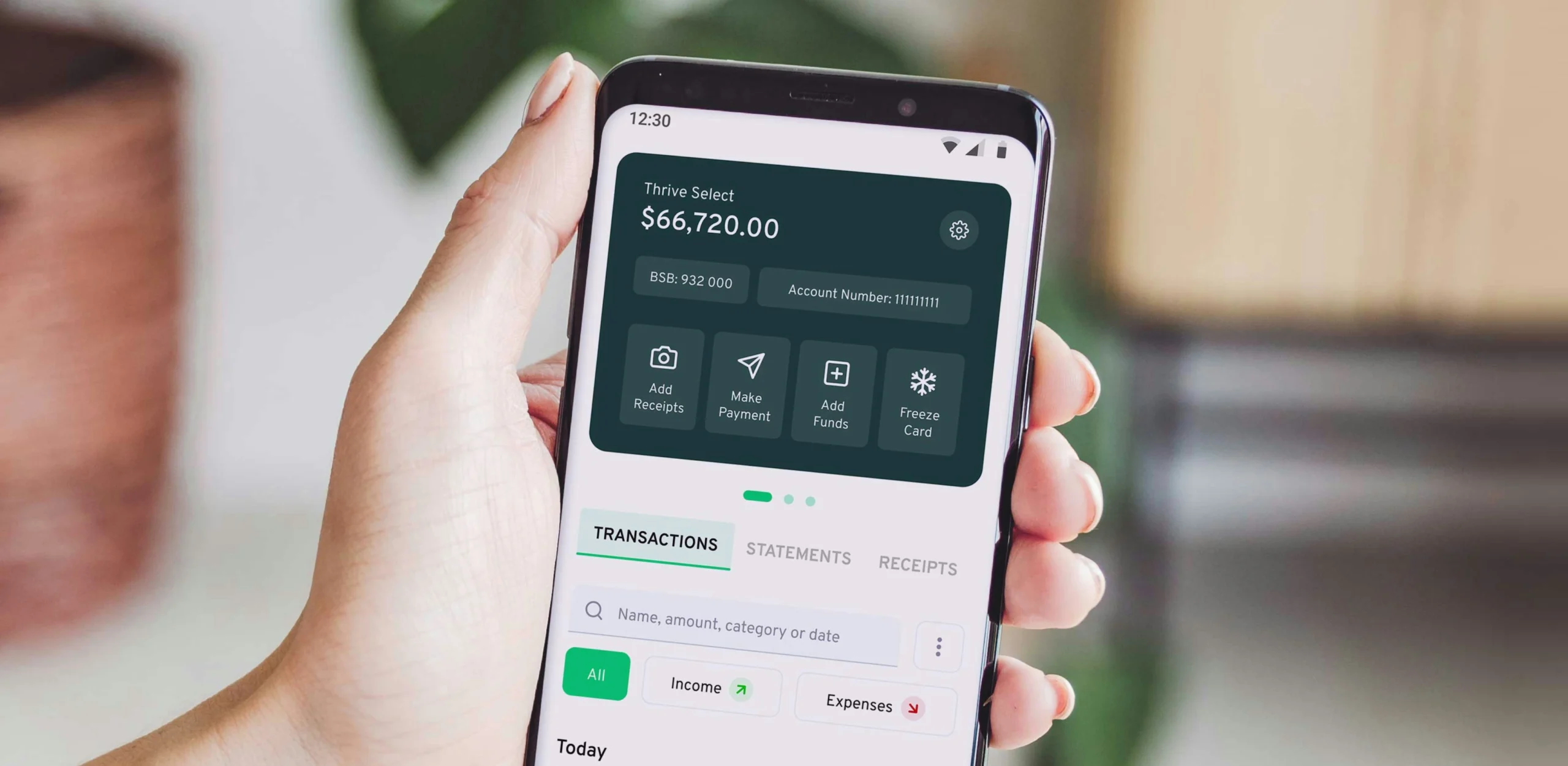
Once approved, funding your account is the final step. Most UAE residents use bank transfers, though some platforms accept card payments for smaller amounts.
Wire transfers from UAE banks to international brokers typically cost between 50 and 150 AED per transfer, depending on your bank and the destination. Emirates NBD and ADCB have relatively straightforward international transfer processes through their online banking platforms.
For currency conversion, you have two options: convert AED to USD through your bank before transferring, or transfer AED and let your broker handle the conversion. Compare rates carefully. UAE banks typically offer exchange rates within 0.1% to 0.3% of interbank rates for large transfers, which may be better or worse than your broker’s conversion fees.
Accessing Global Markets and Diversifying Portfolios
With a funded account, you can access markets that would have required significant wealth and connections just a decade ago.
Trading US Stocks, ETFs, and European Indices
US markets remain the primary destination for most UAE-based investors. The combination of liquidity, transparency, and the sheer number of available securities makes American exchanges attractive.
Most brokers offer access to NYSE and NASDAQ-listed stocks and ETFs. European markets through exchanges like the London Stock Exchange, Euronext, and Frankfurt are also commonly available. Asian markets including Hong Kong and Singapore round out the typical offering.
ETFs deserve special mention for UAE residents building diversified portfolios. Products like VTI, VXUS, and BND provide instant diversification across thousands of securities with minimal effort. The simplicity of building a three-fund portfolio that covers global equities and bonds makes investing accessible even for complete beginners.
Managing Exchange Rate Risks (AED to USD/EUR)
The AED’s peg to the USD at approximately 3.67 eliminates currency risk for US investments, which is a significant advantage for UAE residents. Your returns in USD translate directly to AED without the volatility that investors in other countries face.
European investments carry currency exposure. If the EUR weakens against the USD (and therefore the AED), your European holdings lose value in AED terms even if their EUR price stays constant. This isn’t necessarily a reason to avoid European markets, but it’s worth understanding and potentially hedging if your European allocation becomes substantial.
Tax Implications and Legal Protections for UAE Residents
The UAE’s zero personal income tax extends to investment gains, making it one of the most tax-efficient jurisdictions for investors globally. Capital gains, dividends, and interest income are all untaxed at the UAE level.
However, US dividend-paying stocks are subject to a 30% withholding tax at source for UAE residents. This applies to dividends only, not capital gains. Some brokers can reduce this to 15% if you complete a W-8BEN form and certify your non-US tax residency.
Irish-domiciled ETFs have become popular among UAE investors specifically because they benefit from a US-Ireland tax treaty that reduces withholding to 15%, and Ireland doesn’t impose additional taxes on non-resident investors. Accumulating versions of these ETFs reinvest dividends automatically, further improving tax efficiency.
Legal protections depend largely on your broker’s regulatory status. US-regulated brokers provide SIPC protection up to $500,000 per account. UK-regulated brokers offer FSCS protection up to £85,000. ADGM and DIFC-regulated entities have their own compensation schemes, though limits vary.
The path to opening an international trading account from the UAE is clearer than it’s ever been. Gather your documents, choose a broker that matches your needs and trading style, and complete the digital onboarding process. Within a few weeks, you’ll have access to global markets that can help build long-term wealth in one of the world’s most investor-friendly jurisdictions.
Disclaimer: This content is for educational purposes only and not to be construed as investment advice. Remember that forex and CFD trading involves high risk. Always do your own research and never invest what you cannot afford to lose.
Share this article!


Recent News
How to Compare Trading Platforms When You Are Based in the Gulf: Costs, Regulation and Access to UK and US Markets

How to check your credit score in the UAE
How Many Free Zones in Dubai? and Why It Barely Matters
Featured





No reviews found.
No reviews found.
No reviews found.