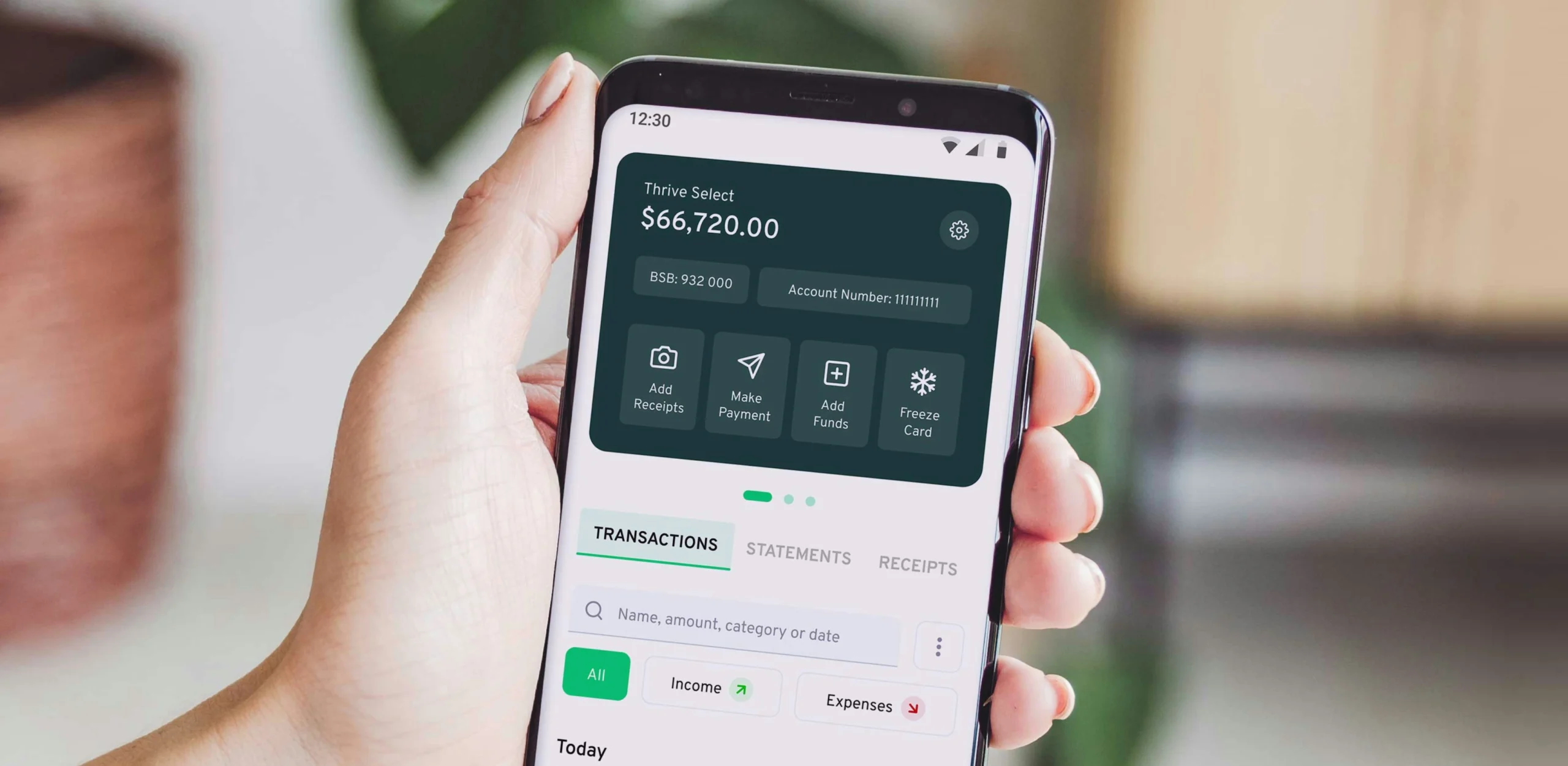
Daytrading CFDs: A Practical Guide to Platforms, Risk, and Execution
 By
Staff Writer
By
Staff Writer

Daytrading CFDs is one of the most execution-sensitive ways to trade the markets, because you are combining short timeframes, leveraged products, and rapid decision-making into a single workflow.
Summary
This guide is written for beginners who want a realistic, grounded understanding of CFD daytrading, with a UAE-first perspective and global relevance. We explain how CFDs work, how intraday trading changes risk dynamics, how execution and costs affect results, and how traders actually structure their day. You will also find a real Microsoft CFD case study, practical risk frameworks, common mistakes to avoid, and a clear learning path for beginners who want to approach CFD daytrading with discipline rather than hype.
Quick Introduction
Day trading attracts beginners because the feedback loop feels fast. Trades open and close within hours. You are not waiting weeks or months to know if an idea worked. CFDs amplify that appeal by offering access to global markets, the ability to trade rising and falling prices, and relatively low capital requirements.
That same combination is what makes CFD daytrading difficult to sustain. Small mistakes in execution, sizing, or discipline compound quickly. Many beginners focus heavily on strategies and indicators, while underestimating the impact of spreads, slippage, and emotional decision-making. This article is structured around the elements you can actually control as a beginner.
What Are CFDs and How Daytrading CFDs Work
What is a CFD in simple terms
A CFD, or Contract for Difference, allows you to speculate on price movement without owning the underlying asset. When you buy or sell a CFD, you are agreeing to exchange the difference between your entry price and your exit price.
If you buy a Microsoft CFD at 288.50 and sell at 300, the difference is your profit before costs. If the price falls, that difference becomes your loss. There is no ownership, no share certificate, and no long-term holding requirement.
How CFD prices track the underlying market
CFD prices are derived from the underlying market and typically track closely in liquid instruments. Differences arise through spreads, commissions, and execution behaviour. For daytraders, these differences matter more than they do for longer-term traders.
Because CFDs are a derivative, your platform and broker infrastructure play a larger role than many beginners expect. A delayed fill or widened spread at the wrong moment can materially change the outcome of an intraday trade.
Going long and short with CFDs
CFDs allow you to go long when you expect price to rise, or short when you expect price to fall. This flexibility is central to intraday trading, where markets can trend and reverse within the same session.
However, flexibility cuts both ways. Beginners often switch direction too quickly, not because the market changed, but because emotions did. This is why having predefined rules matters more than reacting to every price fluctuation.

What Makes CFD Daytrading Different From Other Day Trading Products
CFD daytrading vs stock day trading
Traditional stock day trading involves buying and selling shares directly on an exchange. It often requires higher capital and can limit short selling depending on the account type and region.
CFDs lower the capital barrier and simplify short exposure, which is why they are commonly used by retail traders in the UAE who want access to US stocks and global indices. The trade-off is that leverage and execution costs become central to performance.
CFD daytrading vs futures
Futures markets offer deep liquidity and transparent pricing, but they come with fixed contract sizes and higher margin requirements. CFDs provide more flexible sizing and are often easier for beginners to work with. The key difference is not which product is superior, but which allows you to manage risk and learn execution with fewer structural constraints.
CFD daytrading vs options
Options introduce additional variables such as time decay and implied volatility. While powerful, they add complexity that is not necessary for learning intraday discipline.
CFDs focus purely on price movement, making them easier to analyse, review, and improve upon as a beginner.
What Makes Daytrading CFDs Different From Other Trading Styles
Timeframes used in daytrading CFDs
Timeframes are chosen based on instrument behaviour, not personal preference.
- Major indices often suit 5-minute and 15-minute charts
- Major forex pairs are commonly traded on 5-minute to 15-minute charts
- Large-cap US stocks may be traded on 1-minute to 5-minute charts, but with more noise
- Gold often benefits from slightly higher timeframes due to volatility
A useful beginner rule is to choose a timeframe where normal intraday movement can reach your target without requiring excessive leverage.
Why intraday traders avoid holding overnight
Daytraders typically close positions before the session ends to avoid overnight financing and price gaps. Gaps can bypass stop losses entirely, resulting in losses larger than planned. For UAE-based traders, this often means trading during the London and US sessions and closing positions before the US market close.
Volatility as both opportunity and risk
Volatility creates movement, but it also increases spreads, slippage, and emotional pressure. Beginners often equate volatility with opportunity, while experienced traders view it as a variable to manage. When volatility becomes excessive, reducing size or stepping aside is often the more disciplined choice.
How Daytrading CFDs Works in Practice
Pre-trade planning and market selection
Before placing any trade, experienced traders define what they will trade, why they will trade it, and where they will exit if wrong. Beginners benefit from focusing on one to three instruments per session. This repetition builds familiarity with price behaviour, spreads, and execution conditions.
Order types and execution choices
A key question traders always ask: Market or Limit orders? The main key to remember is market orders prioritise execution speed, while limit orders prioritise price control. Each comes with trade-offs. Understanding when to accept slippage and when to demand price precision is a key part of developing execution skill.
Execution quality and fills
Execution determines whether a good idea becomes a good trade. Slippage, delayed fills, and spread widening must be reviewed regularly. Keeping simple notes on entry quality and stop execution turns trading into a process rather than guesswork.
Platforms and Tools for Daytrading CFDs
What to look for in a CFD daytrading platform
- Stable execution during active market hours
- Predictable spread behaviour
- Reliable stop loss handling
- Clear margin and exposure display
Tools that actually help beginners
- Economic calendar to track scheduled volatility
- Price alerts to reduce screen fatigue
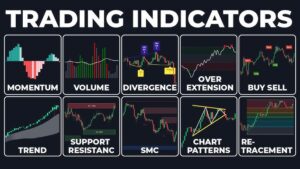
- Basic indicators such as moving averages, RSI, and VWAP
- A trade journal to review decisions
A note on broker choice
Education should focus on criteria before brands. That said, many UAE traders reference Exness when prioritising execution consistency and transparent conditions. Beginners should always validate this using a demo account and their own trading hours. Some residents also go for international regulated brokers however.

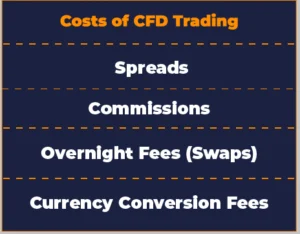
CFD Daytrading Costs in Real Life
Costs are where many beginner expectations break down. Directional accuracy alone does not guarantee profitability.
Spread costs
The spread is paid every time you enter and exit a trade. Over multiple trades, this becomes meaningful.
Commission versus spread
Some markets include costs in the spread, while others add commission. Beginners should calculate total round-trip cost rather than focusing on a single metric.
Slippage during fast markets
Slippage occurs when price moves faster than your order can be filled. It is common during news releases and breakouts.
Why high frequency magnifies costs
More trades mean more exposure to costs and mistakes. Fewer, higher-quality trades often lead to better learning outcomes.
Risk Management for Daytrading CFDs
Leverage as a tool, not a requirement
Leverage magnifies outcomes. Using less leverage gives you more room to make mistakes while learning.
Position sizing logic
Define risk first, then calculate position size based on stop distance. This keeps losses controlled and predictable.
Stop loss and take profit discipline
Stops should invalidate the idea, not protect emotions. Targets should reflect realistic intraday movement.
Handling news risk
Many beginners benefit from avoiding major announcements until they understand how volatility affects execution.
Popular Daytrading CFD Strategies
Momentum trading
Momentum trading aims to capture continuation after strong moves. Exiting when momentum fades is as important as entry.
Breakout trading
Breakouts occur when price leaves a defined range. Not all breakouts succeed, which is why confirmation and risk control matter.
Mean reversion
Mean reversion targets pullbacks toward an average price. It requires patience and disciplined stops.
Technical Tools Used by CFD Day Traders
Moving averages
Used for trend structure and dynamic support or resistance.
Relative Strength Index
RSI helps identify momentum conditions rather than mechanical signals.
VWAP
VWAP acts as an intraday benchmark for fair value and liquidity.
A Realistic Example
Intraday long on a Microsoft CFD
A trader buys 1 Microsoft CFD at 288.50, targeting an intraday move toward 300 and planning to exit before the session ends.
Trade outcome
Microsoft reaches 300, and the trader exits, capturing an 11.50-point move before costs.
What could have gone wrong
If price reversed early, a predefined stop would have limited loss. The example highlights symmetrical risk.
What a Typical CFD Day Looks Like
Before the session
Markets are selected, news is checked, and levels are marked.
During the session
Traders wait for clear setups rather than constant action.
After the session
Trades are reviewed to assess execution and discipline.
Why Most CFD Day Traders Struggle
Most struggles come from unrealistic expectations, over-leveraging, and lack of process rather than poor strategies.
Is Daytrading CFDs Legal and Regulated in the UAE
Regulatory overview
CFD trading is legal in the UAE and overseen by the SCA, DFSA, and ADGM.
What regulation means for traders
Regulation enforces transparency, fund segregation, and risk disclosure.
Is Daytrading CFDs Right for You
Who it suits
Disciplined traders who accept small losses and focus on process.
Who should avoid it
Those seeking passive or low-involvement approaches.
Bottom Line
Daytrading CFDs offers flexibility and access, but it is execution-driven and unforgiving of poor discipline. Beginners who prioritise risk control, realistic sizing, and process stand a far better chance of longevity than those chasing fast profits. CFD daytrading is a skill built over time. Treated casually, it becomes expensive. Treated seriously, it becomes structured and controlled.
Disclaimer: This content is for educational purposes only and not to be construed as investment advice. Remember that forex and CFD trading involves high risk. Always do your own research and never invest what you cannot afford to lose.
Share this article!


Recent News
How to Compare Trading Platforms When You Are Based in the Gulf: Costs, Regulation and Access to UK and US Markets

How to check your credit score in the UAE
How Many Free Zones in Dubai? and Why It Barely Matters

Featured





No reviews found.
No reviews found.
No reviews found.